The confetti is all gathered up. The grass fields are torn up and returned to their previous states. The world of soccer has gone on, leagues starting up in earnest the past few weeks.
But memories of the World Cup remain … forever. For fans, for players, for the organizers of the cities around North America. Nearly 50 days after the final whistle, I gathered executives from three host cities and a sports diplomacy expert to discuss what worked and what the best practices were from one of the biggest sporting events of the world.
But mostly, it was what they’ll take forever as memories. These are their stories.
Welcome to Miami
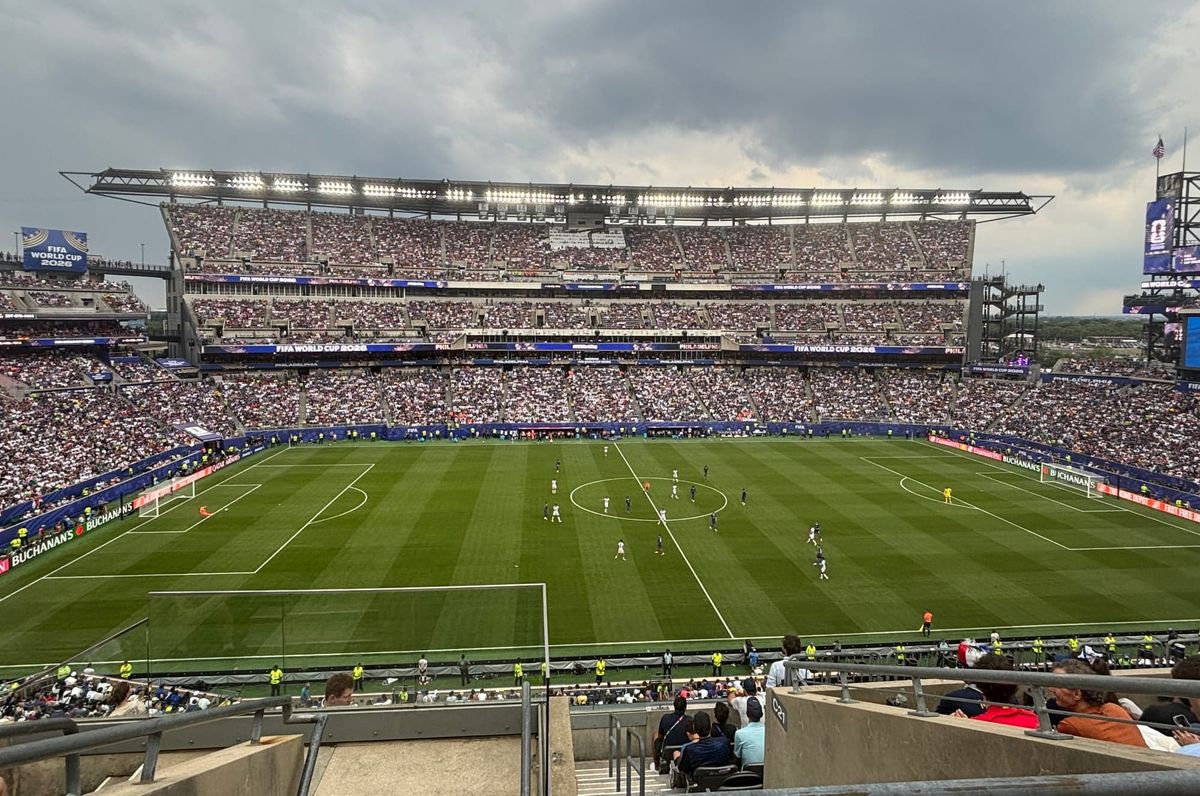
The third-place game, it’s sometimes said, is the least important game of a World Cup. This year’s game between France and England didn’t feel that way to Mat Ratner, Head of Sports & Entertainment for the Greater Miami CVB.
“I’ve been to a Super Bowl, a World Series, a college football national championship,” he told me. “All of them are electric, but I don’t think anything really compared to after the match when England wins and you have the whole stadium together, singing ‘Wonderwall,’ and feeling that vibe.”