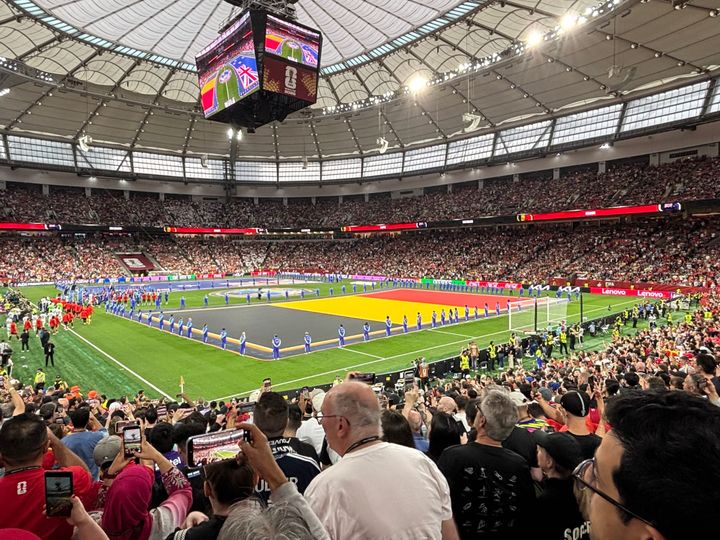
Making one tournament successful legacy-wise for 16 cities was the challenge for organizers of the 2026 FIFA World Cup, as two involved with the process described at the industry trade show IMEX in Las Vegas recently.
“The legacy of these major events is probably the biggest takeaway that any host community can take from,” said Aubrey Walton, Executive Director of Host Cities, FIFA World Cup 2026. That would be anything from hotel improvements in the city to roadways and broader ride share programs, she said.
“How are those communities going to benefit from hosting the World Cup and what will that look like 10, 20, 30 years down the line?” Walton said. “When we have the host city agreements, we’re thinking through that language to make sure everybody who’s working on that event understands what that language means.”
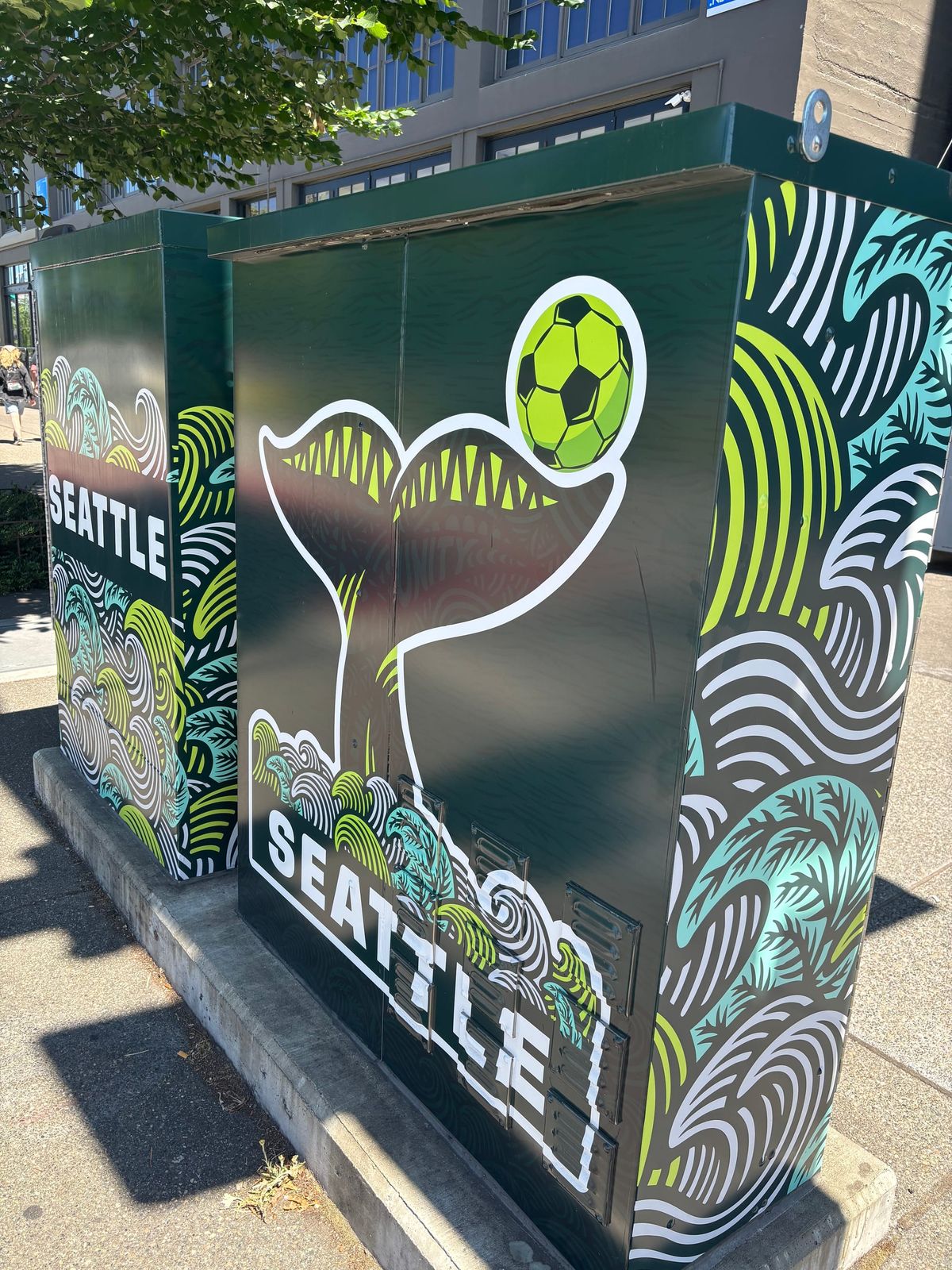
Walton reminded attendees that planning for the World Cup started in 2017 and “you’re trying to plan 10 years down the road on what’s going to be important to the tournament and the cities at that particular moment in time. No one knows those answers,” she said. Each city then had to come up with what was important for them as a legacy, whether that was local artists in the community in Seattle to refurbishing run-down communities in Atlanta.

Word of mouth is the primary way people find new things to read these days. So if you like this newsletter, please share it with someone who you think would want to subscribe to.